A boiler that keeps losing pressure is frustrating, especially when it leaves you with lukewarm radiators or no hot water at all. The good news is that low pressure is often caused by a handful of common issues, many of which can be spotted quickly with the right checks. The key is knowing what you can safely do yourself and when it’s time to bring in a heating engineer.
Common reasons your boiler pressure keeps dropping
Check the pressure gauge first and confirm the pattern
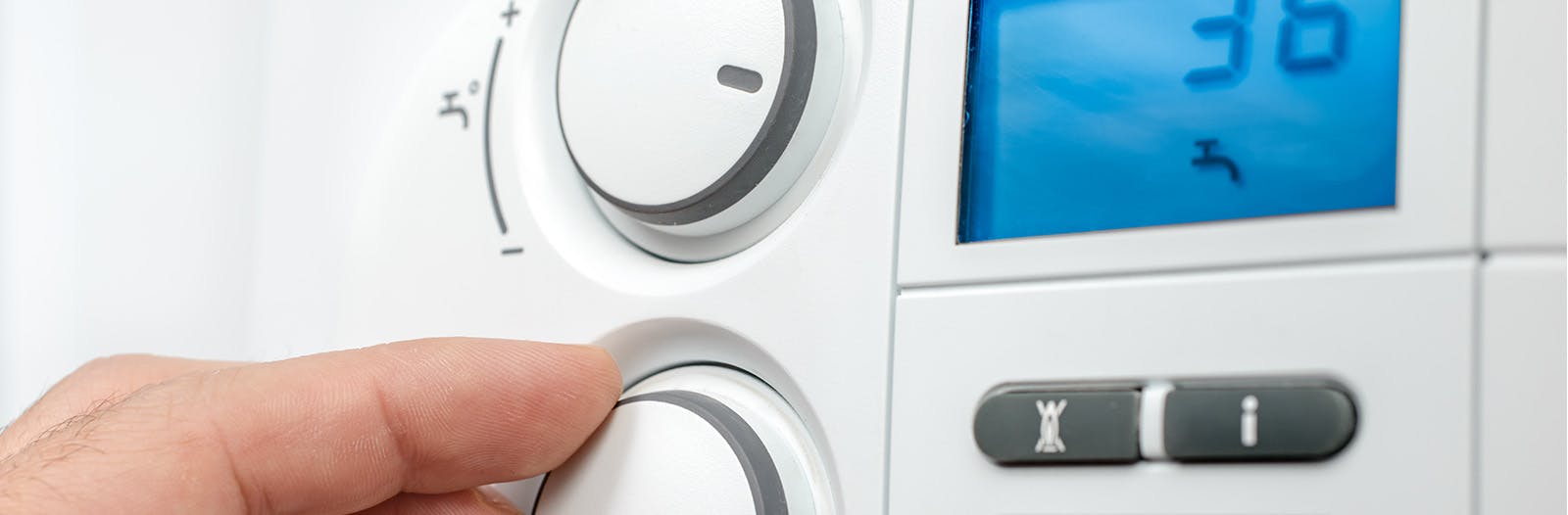
Start by looking at the pressure gauge when the boiler is cold. Most sealed systems sit around 1.0 to 1.5 bar when cold, then rise slightly when the heating is on. If you are seeing the pressure drop back down over hours or days, that points to a leak or faulty component rather than normal changes during heating cycles.
It is worth noting down the pressure reading at the same time each day for a couple of days. That little bit of information makes it much easier to pinpoint whether the loss is slow and steady or happening after certain events, like running the heating, using hot water, or after topping up.
Bleeding radiators can cause a temporary drop
If you have recently bled your radiators to remove trapped air, the pressure will often fall afterwards. That is normal, because air has been released and the system needs topping up to restore the correct balance. In this case, topping up once using the filling loop usually solves it.
If you bleed radiators and notice you need to top up repeatedly, that is a sign that air is getting into the system, which is not normal for a sealed system. That can happen if there is a small leak or an issue with a component allowing pressure to escape.
Look for leaks around radiators, pipework, and valves
A small leak is the most common cause of ongoing pressure loss, and it does not always leave an obvious puddle. Check around radiator valves, pipe joints, and any visible pipework, especially where pipes go into walls or floors. You are looking for damp patches, staining, corrosion marks, or even white crusty residue where water has slowly evaporated.
Also, check under the boiler if you can do so safely, and look at the pressure relief pipe outside, which is often a copper pipe that exits through an external wall. If that pipe is dripping or leaves wet marks on the ground, the system may be discharging water when it should not.
Inspect the filling loop and make sure it is fully closed
The filling loop is what you use to top up the system pressure. If it is not fully closed or if the valve is faulty, it can sometimes allow small amounts of water to pass or cause pressure instability. In some setups, a partially open filling loop can also lead to unusual pressure behaviour when the boiler heats up.
Once you have topped up, make sure both valves are firmly closed, and the loop is left in the correct position. If you suspect the valve is worn or not sealing properly, it is best to have it checked, as repeated top-ups can introduce fresh oxygen into the system and increase corrosion risk over time.
A faulty pressure relief valve can dump pressure
If the pressure relief valve opens, it releases water to protect the system from overpressure. Sometimes, the valve can become worn or get debris caught in it, meaning it does not reseal properly. When that happens, it may drip intermittently through the discharge pipe outside, steadily lowering your boiler pressure.
This often shows up as pressure that keeps dropping even when you cannot find leaks indoors. If your external discharge pipe is wet or dripping, it is a strong indicator that a heating engineer needs to inspect the relief valve and the cause of the discharge.
Expansion vessel issues can cause repeated pressure swings
The expansion vessel is a key part of a sealed system. It absorbs the increase in water volume as your heating warms up. If it loses its internal charge or fails, you can get big swings in pressure, often rising too high when hot, then dropping low when the system cools. Over time, that can trigger the pressure relief valve and lead to recurring pressure loss.
A common pattern is the pressure rising towards 2.5 to 3.0 bar when the heating is running, then falling sharply afterwards. This is not a DIY fix and needs proper testing and recharging, or replacement by a qualified engineer.
Micro leaks inside the boiler can be easy to miss
Not all leaks happen at radiators or visible pipework. Some occur inside the boiler casing, and the only sign might be pressure dropping, occasional error codes, or a faint staining underneath. Internal leaks should not be inspected by homeowners because boilers contain electrics, gas components, and sealed combustion areas.
If you have checked the obvious external points and still cannot find the cause, it is safer to stop topping up repeatedly and book an inspection. Constantly adding water can make the problem worse by introducing oxygen and limescale into the system.
If you are topping up often, avoid making it a habit
It is tempting to just top up the pressure every time it drops, but regular topping up is not a solution. It can speed up corrosion inside radiators and pipework, create sludge, and shorten the life of parts like pumps and heat exchangers. If you are topping up more than occasionally, that is your sign to investigate properly and get it fixed.
It also helps to remember that a boiler losing pressure can sometimes be linked to system health issues such as sludge buildup, failing components, or poor inhibitor levels. Fixing the underlying cause can improve heating performance as well as reliability.
Need help with a boiler losing pressure in Gillingham, Sittingbourne, Maidstone, Tunbridge Wells, Kent and Medway?
Perfect Heating Solutions Ltd can diagnose pressure loss issues, repair leaks, replace faulty valves, and get your heating system running safely again. Call us on 01634 768050 or 075400 53343, or fill out our contact form to book a visit.