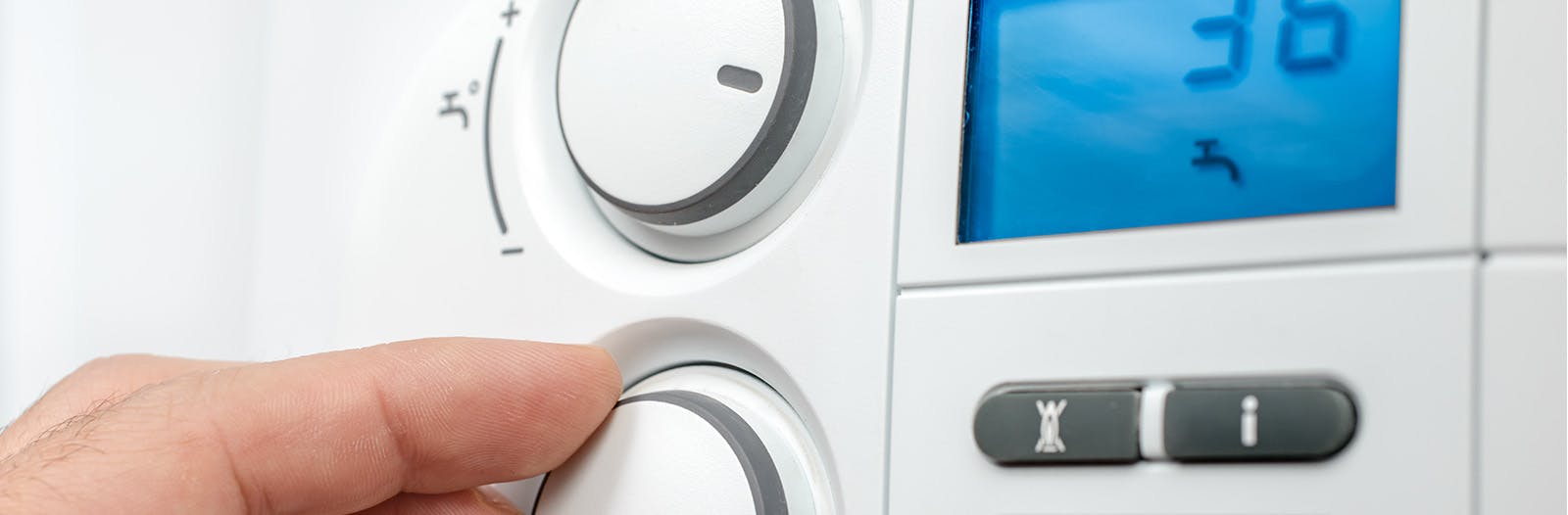
If your boiler pressure keeps dropping, it can be worrying, especially as the colder months approach and you rely on your heating more. The good news is that many pressure issues have straightforward causes that you might be able to identify yourself. There are some simple, safe checks you can carry out at home before deciding to call a Gas Safe engineer. This can save you time and help you understand what might be going wrong with your system.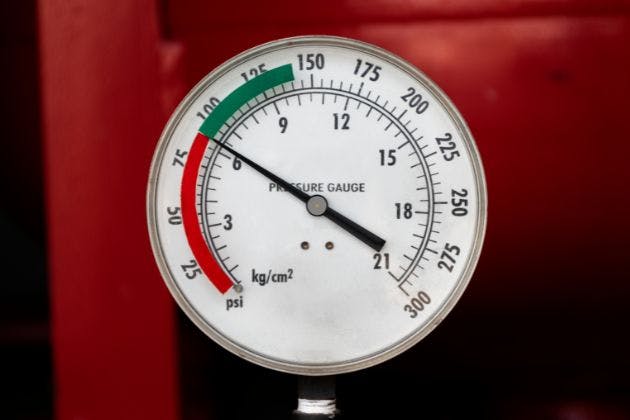
What boiler pressure actually is
Most modern boilers are sealed systems that rely on water pressure to move hot water around your radiators and pipes. The built-in pressure gauge shows how much pressure is in that closed system.
The “normal” pressure range is usually marked on the gauge, often with a green zone. Because models vary, always check your boiler manual for the correct cold and hot running pressure for your specific appliance.
If the pressure drops too low, the boiler may lock out as a safety feature, leaving you with no heating or hot water until the pressure is restored and the fault resolved.
Common reasons a boiler loses pressure
Pressure loss is usually down to water escaping somewhere in the system, or to a fault with one of the safety components. Understanding the likely causes can help you explain the problem clearly to an engineer.
Small leaks on pipework or radiators
Minor leaks are one of the most frequent reasons for a boiler losing pressure. They are not always obvious, as the water can evaporate on hot pipes or soak quietly into flooring and plasterboard.
Typical places small leaks appear include radiator valves, pipe joints, towel rails and underfloor pipe runs. Over time, even a slow drip is enough to bring system pressure down.
Bleeding radiators too often
Bleeding radiators is useful for removing trapped air, but every time you release air, you also lose a small amount of water. If you bleed several radiators or do it regularly, the pressure can drop.
If your radiators need frequent bleeding, it may point to an underlying issue that a heating engineer should investigate, rather than something to keep doing yourself.
Other frequent culprits
Pressure relief valve problems: This safety valve releases water if the pressure gets too high. If it has lifted previously or is faulty, it may let water escape continuously.
Expansion vessel issues: The expansion vessel absorbs the expansion of water as it heats. If it fails or loses its air charge, pressure can fluctuate and drop.
Filling loop left open: The filling loop is used to top up the pressure. If a valve is not fully closed afterwards, the system may slowly over-pressurise then dump water through the safety valve, causing repeated pressure changes.
Recent heating work: After new radiators, pipework or a boiler install, trapped air and settling can cause pressure to move around until the system is properly balanced.
Safe checks you can do yourself
Before reaching for the filling loop, it is sensible to carry out a few visual checks. Do not remove boiler covers or touch anything you are unsure about. If in doubt, stop and contact a Gas Safe engineer.
Look for visible signs of leaks
Walk around your home and inspect radiators, valves and exposed pipework. Check for damp patches, staining on ceilings, flaking paint, green or white crust on joints, or small pools of water.
If you see any signs of leakage, put a bowl or towel underneath if safe to do so, and avoid repressurising the system repeatedly, as this can make the leak worse.
Check radiator valves and lockshields
Ensure radiator valves are not loose or actively dripping. You can gently tighten the cap on a manual or thermostatic valve using hand pressure only, but do not overtighten or use tools unless you know what you are doing.
If a valve is clearly leaking, turn the radiator off at both ends if you can, then arrange a repair with a qualified engineer.
Note gauge readings and error codes
Take a photo of your pressure gauge when the system is cold and again when it is hot. This helps an engineer understand how the pressure is behaving over time.
If your boiler shows an error code or flashing light, write it down or photograph the display. Your boiler manual or the manufacturer’s website will usually explain what that particular code means.
What you should not do
It can be tempting to keep topping up a dropping system, especially if you want the heating back on quickly. However, this can hide a more serious fault and may damage your boiler in the long run.
Avoid repeatedly repressurising the boiler without finding the underlying cause. Constantly adding fresh water introduces more oxygen, which can increase corrosion inside radiators and pipework.
Do not open the boiler case, adjust internal components or isolate safety devices. Working on gas appliances is strictly for Gas Safe registered engineers only.
How to top up your boiler pressure safely
If your boiler manual confirms that homeowners are allowed to top up pressure and you feel confident, you can usually increase the pressure using the filling loop. Always follow the instructions specific to your model.
As a general guide, with the boiler cool and turned off at the controls, locate the filling loop flexible hose and its two small valves. Open them slowly while watching the pressure gauge, and close them as soon as the needle reaches the recommended range in your manual.
Once done, turn the boiler back on and check for any leaks around radiators, valves and the pressure relief pipe outside. If the pressure drops again within hours or a day, stop topping up and call an engineer.
When to call a Gas Safe engineer
Some situations should always be handled by a professional. Do not delay if you notice any of the following, as early attention often prevents further damage.
Contact a Gas Safe engineer promptly if:
The pressure drops rapidly even after topping up
You see water under or around the boiler, or from the copper pipe outside
The boiler repeatedly locks out or shows the same pressure-related error code
You suspect an internal fault such as an expansion vessel or pressure relief valve issue
A qualified engineer can test components, locate hidden leaks and ensure your boiler is operating safely and efficiently.
Quick FAQ on boilers losing pressure
Is it safe to use a boiler that keeps losing pressure?
If the boiler is still working and there are no obvious leaks, it may run, but it is not advisable to ignore ongoing pressure loss. The boiler is signalling that something is not right, and the safest option is to have it checked.
Can a boiler lose pressure without a visible leak?
Yes. Leaks can be hidden under floors, behind walls or inside the boiler casing. Faulty expansion vessels and pressure relief valves can also cause pressure loss without obvious dripping inside the home.
How often should I need to top up my boiler?
Most sealed systems should not need topping up regularly. If you are adding water more than once or twice a year, or the pressure drops quickly after topping up, arrange an inspection.
Next steps if your boiler is losing pressure
If your boiler pressure is dropping, start with the safe checks above and note what you find. Avoid repeatedly topping up, and do not attempt any gas work yourself.
For professional help with Boiler Breakdowns, routine Boiler Servicing or to discuss a persistent pressure problem, contact Perfect Heating Services Ltd today. You can reach the team on 01634768050 or send an enquiry via our Contact page to arrange a convenient visit from a qualified engineer.